The ethics of AI design is becoming a crucial topic as technology shapes creative work. This article explores key concerns, responsible practices, and a clear summary of the core of ethical AI design to remember.
Key takeaway
- AI should serve as a tool to enhance human creativity, empathy, and originality, supporting designers in creating meaningful and responsible work.
- Designers must work with diverse data and audit AI systems to prevent discrimination and ensure equitable outcomes.
- Ethical AI design requires clear data practices and explainable systems to maintain user trust and safety.
- Upholding copyright laws and ensuring human oversight protects creators and maintains integrity in AI-assisted design.
What is the Ethics of AI Design?

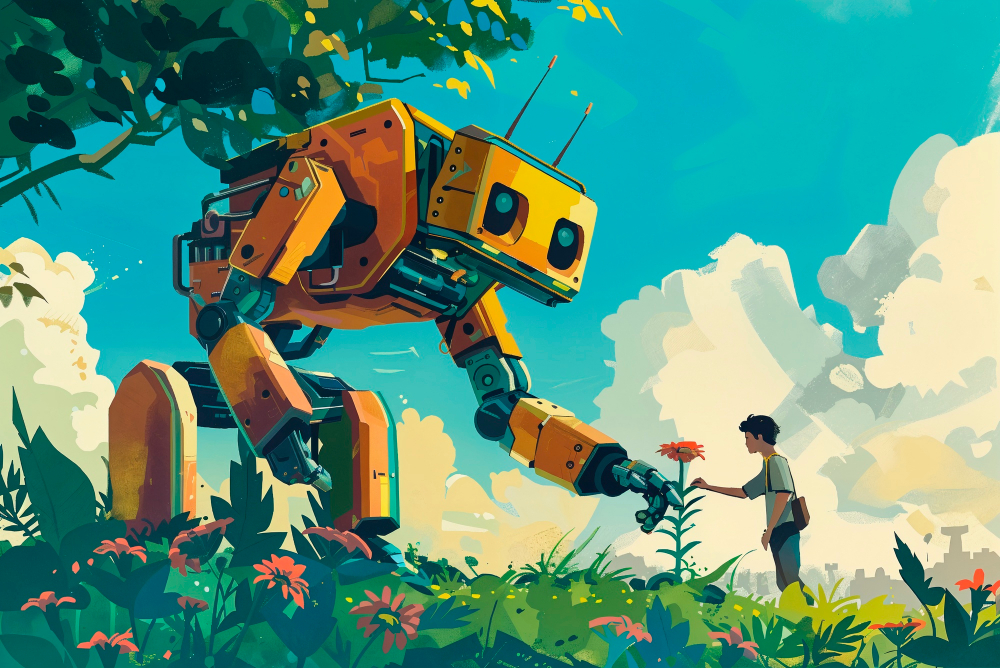
Design with AI | Image Source: Freepik
AI is dominating the world with its rapid advancements, transforming industries and everyday life. But as it becomes more powerful, there’s a growing need for ethical considerations in its design to ensure it benefits humanity without causing harm or injustice.
This sudden surge in capability puts professional designers in a complicated position. As companies race to embed AI into their products, designers are essential for shaping intuitive interfaces and user experiences. Yet, many fear that AI could ultimately threaten their job security.
According to UNESCO, the rapid rise in artificial intelligence (AI) has created many opportunities globally. However, these advances also raise serious ethical concerns that demand urgent attention.
Also Read : 10 AI Tools for UX Research to Assist Your Workflow
Ethical Use of AI in Design

AI and human touch | Image Source: Rawpixel – Freepik
Here are a few examples of the ethics of AI in design project you should be aware of.
1. Human Creativity vs AI
Finding harmony between human creativity and AI is essential for ethical design. AI can help generate, refine, and evaluate ideas, which can push innovation forward. But it lacks emotion and empathy, which are key elements that define meaningful and human-centered creative work.
Designers should use AI as a support in designing, not replacing human touch on the design. Being aware of its impact ensures AI enhances creativity responsibly. Ethical design means balancing technology with human values to create thoughtful, responsible, and innovative solutions.
2. Proactively Address Biases
AI systems can unintentionally reflect biases found in their training data, affecting fairness and trust in design. Designers must collaborate with data scientists early to identify and address these issues before they shape user experiences in harmful or exclusive ways.
Using diverse datasets and regular audits helps reduce bias and promote equity. Feedback mechanisms are also important. Those allow AI systems to evolve and better serve all user groups. Ethical design requires ongoing vigilance to ensure fairness and inclusivity for everyone.
3. AI Content and Copyright Issues
Using AI in design can risk copyright infringement if it draws from protected materials without permission. This highlights the need to prioritize originality and uphold intellectual property laws, with human oversight playing a crucial role in avoiding plagiarism and protecting creators’ rights throughout the design process.
Marketers must also recognize the ethical risks of AI-generated content, including misinformation and manipulation. By setting clear regulations and frameworks, the industry can foster responsible AI use.
4. Prioritize Explainability
Prioritizing explainability in AI design helps users understand how decisions are made. Features like visual cues or step-by-step breakdowns can make complex systems more transparent.
According to Markets & Markets, the global explainable AI (XAI) market is projected to reach $16.2 billion by 2028. This growth highlights the increasing demand for transparency and interpretability in machine learning models, reinforcing the ethical need for clarity in AI interactions.
5. Justice
This principle focuses on fairness and equality in AI design, but it raises critical questions: Who benefits from machine learning? Who bears the burden of its risks? Ethical AI must ensure that its advantages are shared justly across all groups.
Ethical Concern in AI Design
Here are a few ethics of AI design you need to be aware of.
1. AI Impact on Jobs
While much of the public discourse around artificial intelligence focuses on job loss, this concern should be reframed. Like any disruptive technology, AI doesn’t eliminate work, but it shifts the nature of it, redirecting demand toward new roles and skills.
Take the automotive industry as an example: manufacturers like GM are pivoting to electric vehicle production, not abandoning cars altogether. Similarly, AI will create demand for roles in data management, system oversight, and problem-solving within evolving industries.
2. Privacy
Privacy in AI is often discussed through the lens of data privacy, protection, and security. These concerns have led to significant policy developments, such as the CCPA in California, which empowers individuals to control how their data is collected and used.
Such legislation has pushed companies to reevaluate how they manage personally identifiable information (PII). As a result, businesses are prioritizing investments in security infrastructure to reduce risks of surveillance, hacking, and data breaches, reinforcing trust in AI-driven systems.
Also Read : Alert! How Has AI Been Affecting UX Design and Designers
Now You Know Ethics to AI Design
As AI reshapes design, ethics must guide its use by prioritizing transparency, fairness, privacy, and human creativity. Designers can build responsible systems by using AI as a supportive tool, enhancing the design process without replacing human creativity. Ethical frameworks ensure AI enhances rather than harms.Also, if you’re designing something, typography is one area AI can’t fully replace. That’s why you need Lettersiro as your main font source. Their exclusive font collection offers unique, high-quality fonts to elevate your work and express your creative style.